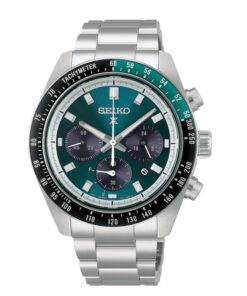
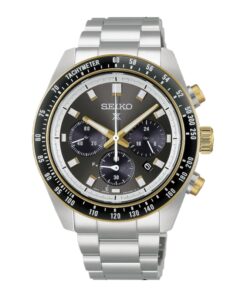
Before the Speedtimer existed as a wristwatch, Seiko was already defining precision timing for international sport. In the 1960s, the company supplied a new generation of stopwatches built around its innovative “heart-shaped cam” mechanism — a design that delivered accuracy levels previously considered unachievable by manual timing devices. International sports federations endorsed the equipment, and Seiko timing instruments captured elapsed time at some of the world’s most prestigious events throughout the decade.
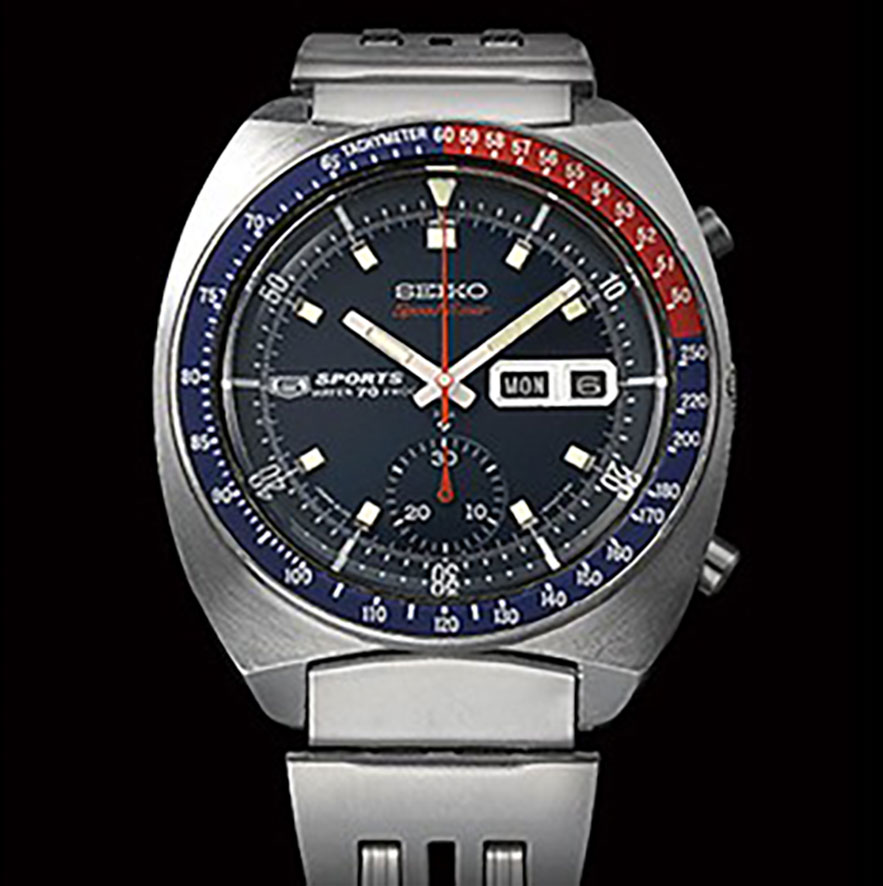
In 1969, that expertise moved to the wrist. Seiko introduced the Speedtimer, powered by Caliber 6139 — the world’s first automatic chronograph with both a column wheel and a vertical clutch. The column wheel governs the start, stop, and reset sequence with clean mechanical precision. The vertical clutch engages the chronograph without the stutter that horizontal-clutch designs can produce. Together, they set a benchmark that remains fundamental to high-end chronograph movements today. Through the 1970s, the Speedtimer line grew with bold designs and colourful dials that reflected the era’s motorsport culture — two-tone bezels, tachymeter scales, contrasting subdials. The Speedtimer became the name Seiko put on its most purposeful chronographs.
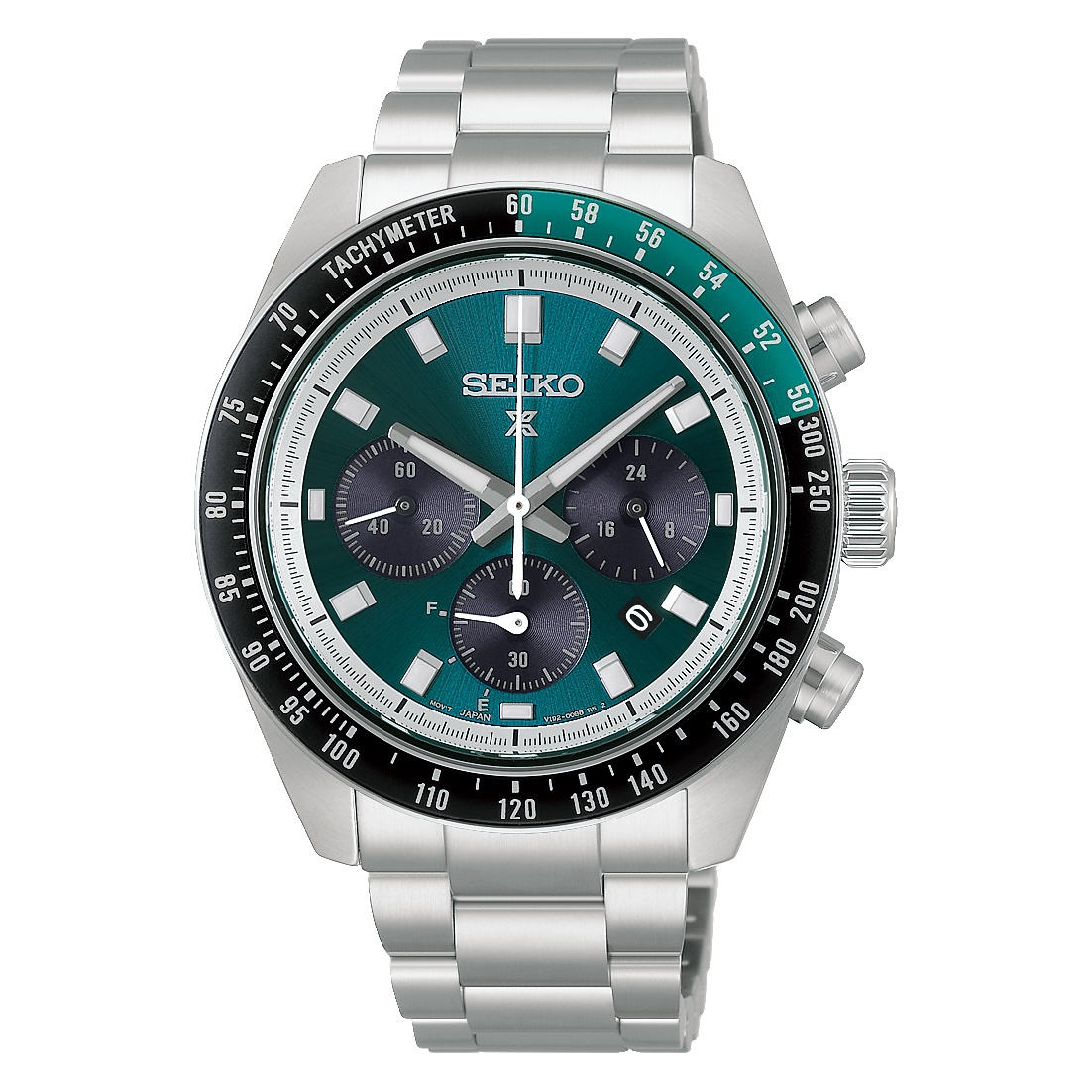
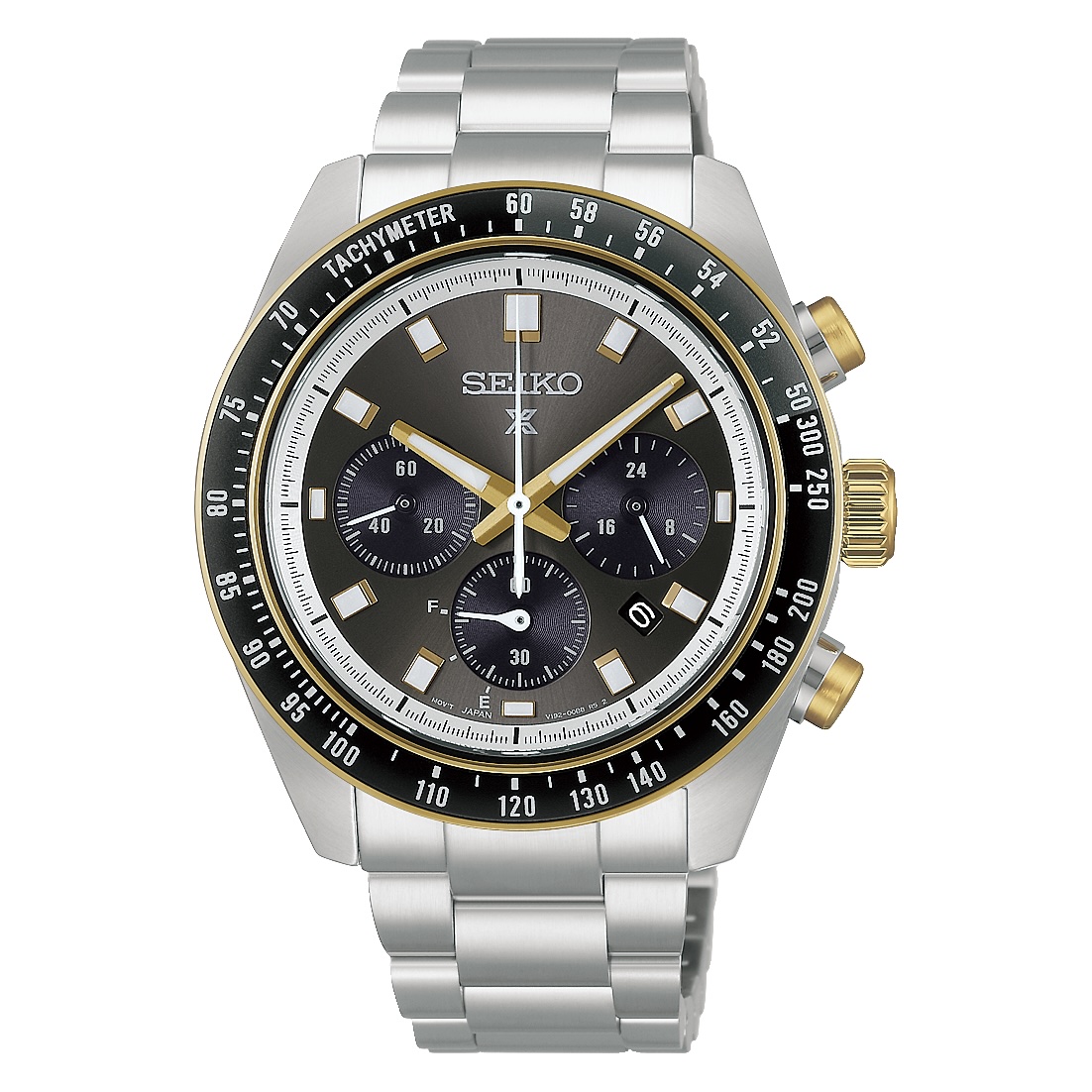
Decades later, in 2021, Seiko revived the Speedtimer name for a new line of chronographs within the Prospex collection. The first Solar Chronograph references — the SSC813 and its siblings — ran the Caliber V192 in a 39 mm case with sandblast-finished dials and design cues pulled directly from the 1960s and 1970s archive. In 2022, a second generation arrived: the SSC911, SSC913, and SSC915 moved to a 41.4 mm case, introduced curved sapphire glass, sunray-finished dials, and the bi-colour aluminium tachymeter bezels that gave the Speedtimer Solar Chronograph its current identity. Subsequent references added motorsport-themed colourways — the SSC939, SSC941, and SSC943 in 2024 — and in early 2026 a new set of 39 mm “Youngtimer” models refreshed the smaller-cased end of the line. Alongside the solar models, the Speedtimer family expanded into mechanical chronographs with Caliber 8R46, GPS solar chronographs, and most recently the countdown-timer three-handers that carry the Speedtimer name without a chronograph function at all. The HBJ series — announced in September 2026 — represents the newest generation of the 41.4 mm Solar Chronograph, carrying refined tachymeter bezel markings and the “Classic Motorsports” colourways that connect these watches directly to the racing heritage the Speedtimer name was built on.